How to Hide in PETAPETA School of Nightmares
Use school lockers like hotel cabinets, read audio and screen tells, and never sprint into an empty stamina bar.
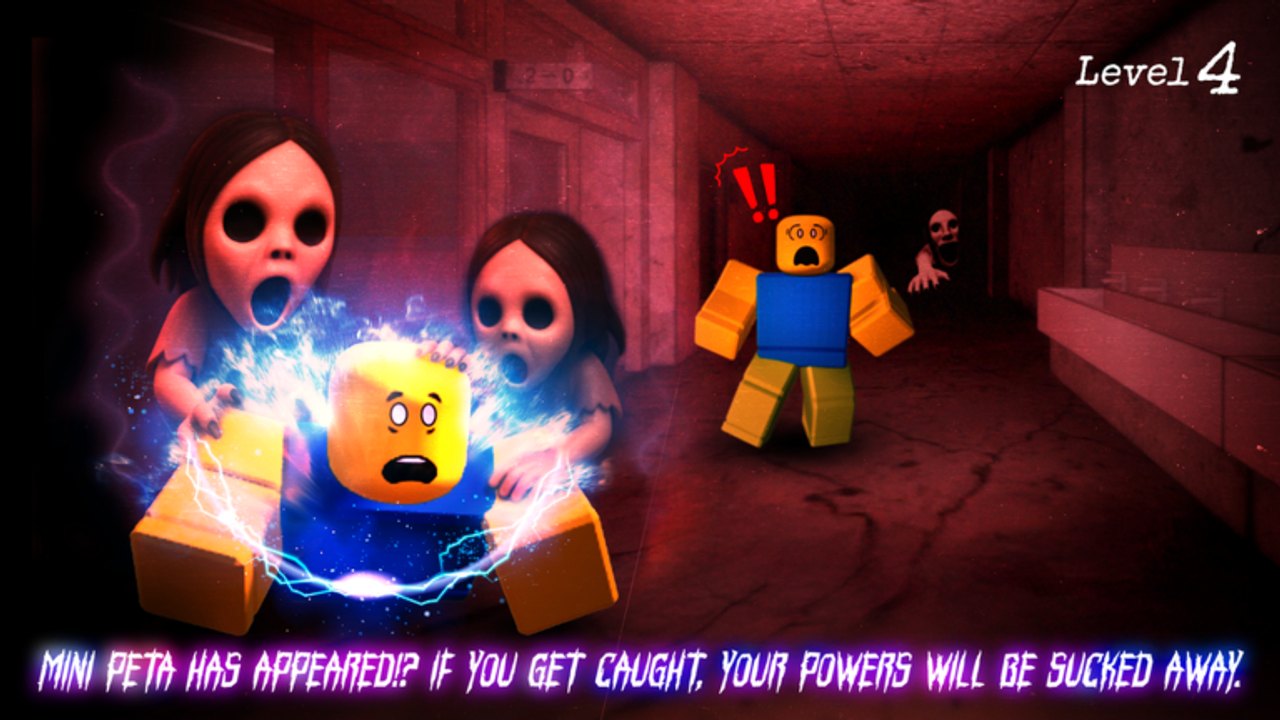
Hiding is the core survival loop in PETAPETA School of Nightmares. Keys, Cursed Shards, and exits only matter if you live long enough to spend them. This guide explains how school lockers work, which audio and visual cues warn you before PETAPETA arrives, how crouch and sprint stamina interact with detection, and how to loot without stranding yourself in open hallways. Pair it with Getting Started, the walkthrough, and how to find keys once you can stay alive under pressure.
Lockers work like hotel cabinets
If you played earlier PETAPETA titles, treat classroom and corridor lockers as the school’s version of hotel cabinets. Interact to enter, stay still while PETAPETA patrols the room, then leave only when the threat has clearly moved on. Lockers are dense along classroom walls and some hallway stretches—scan a room’s perimeter before you commit to a long search animation on a desk or shoe locker.
Lockers are not invincible save points. They are interruptible cover. Entering late, exiting early, or popping out the moment footsteps fade are the most common ways new players die. Build the habit of marking two exits: the locker you will use now, and the next locker you can reach if the first one is contested or already occupied by a teammate.
Audio cue: footsteps first
Sound is your earliest warning. PETAPETA’s footsteps telegraph approach before you see her model. Raise game audio enough to hear corridor steps over UI clicks and teammate chat. When footsteps grow louder or change direction toward your wing, stop looting and move to cover. Do not finish “one more desk” after the audio spike—that delay is what turns a clean hide into a chase.
In co-op, call footsteps early. One player who hears the approach and announces the floor or wing saves the teammate still staring into a locker pile. Voice or short text pings beat silence every time. Review monster behavior on the PETAPETA player page so you know what you are listening for.
Visual cue: screen reddens, then shakes
After audio, watch the screen. When PETAPETA closes distance, the display reddens, then begins to shake. Treat reddening as a hard interrupt: cancel the current loot, sprint only if you have a short, safe path to a locker, and crouch if you must cross a noisy stretch without a clear hide. The shake means you are already late—priority is cover, not shards.
A short scream plays right before PETAPETA appears for the jumpscare or grab. That scream is the final failsafe. If you hear it while standing in the open, you are usually already committed to the encounter unless a stun skill or teammate distracts her. Train yourself so the scream never surprises you while you are mid-animation far from lockers.
Stay near lockers while looting
Efficient runs keep your loot path hugging locker clusters. Classrooms with wall lockers are safer farm rooms than open courtyards or long empty halls. When you sweep for keys or shard orbs, work from locker wall toward the center, then retreat to the wall—not the reverse. That pattern keeps a hide one to two seconds away at all times.
After PETAPETA passes your locker, do not exit immediately. Wait for footsteps to fade and for the red tint to clear. Many deaths happen when players leave the second she walks past the door, only to meet her turning back. Count a short beat, listen, then leave toward your next objective. Patience here is free survival.
Crouch, sprint, and stamina discipline
Crouch with C to reduce noise when you must move while she is nearby but not yet on your tile. Crouch is slower, so use it for short repositioning between desks and lockers, not for crossing the whole map. Sprint with Shift when you need distance, but never dump the entire stamina bar in the open. An empty bar with PETAPETA still chasing means you cannot make the last dash into cover.
Stamina management is a hide skill as much as a movement skill. Sprint in short bursts between cover points, then walk or crouch while the bar recovers. On Hard Mode and Super Hard, PETAPETA is faster, so stamina mistakes punish harder. Invest skill-tree speed and stamina nodes after capacity if you keep dying mid-sprint—see the skill planner for a spend order that supports survival first.
Looting under pressure
Shard orbs and keys often sit inside the same rooms that force you to linger. Prioritize interactive objects closest to lockers first. Leave center-room desks for moments when audio is quiet. In shoe lockers and similar containers, start the interact only when you already know which locker you will dive into if footsteps spike.
Mobile players benefit from auto-loot and magnet-style collection once unlocked, because tap timing around lockers is harder. Even then, do not chase every orb across an open floor. Cap progress is covered on the Cursed Shards page—dead players keep far fewer shards than survivors who hid correctly.
Co-op hiding etiquette
Do not stack three players into one locker if the room has more cover. Spread across adjacent lockers so one failed exit does not wipe the squad. If a teammate is already inside the closest locker, take the next one instead of waiting in the open. After a pass, stagger exits so the first player can call whether the hall is clear.
When someone is downed or collapsed (especially against Mini PETAPETA on later levels), survivors should hide first, then reassess—hero runs through open halls rarely revive anyone. Clear updates notes and codes can add temporary tools, but fundamentals stay the same: audio, screen, locker, patience.
Practice loop for new players
- Enter a Normal run and refuse to loot anything more than two steps from a locker for the first ten minutes.
- Narrate every footstep and every red-screen moment out loud until the tells feel automatic.
- Practice exiting lockers only after footsteps fade, even when it feels slow.
- Add crouch traversals between desks, then short sprint bursts with stamina left in reserve.
- Graduate to longer key routes from the keys guide and harder difficulties once you stop dying on locker exits.
Related guides
Use Hard Mode when you are ready for faster PETAPETA and bonus shards. Learn PvP Ranked when you want to play as the monster or fight other humans under the same hide rules. Farm economy details live on Cursed Shards. For scripts and quality-of-life helpers, see Scripts. For loadout opinions, check the tier list. Return to the Guides Hub whenever you need the full map of tutorials.
Master hiding before you optimize routes. A clean locker habit turns every classroom into a recoverable mistake instead of a run-ending jumpscare, and it is the skill that scales from Normal all the way through Super Hard and PvP.
Frequently Asked Questions
Quick answers for School of Nightmares players.
How do lockers work in PETAPETA School of Nightmares?
School lockers function like hotel cabinets from earlier PETAPETA games: enter to break line of sight, stay quiet while she patrols, and leave only after footsteps and screen warnings fully clear.
What audio and visual cues warn that PETAPETA is coming?
Listen for footsteps first. The screen then reddens and shakes as she closes in, and a scream plays right before she appears. Treat each stage as a stronger interrupt to stop looting and hide.
Should I leave a locker as soon as PETAPETA walks past?
No. Wait until footsteps fade and the red tint clears. Exiting immediately is a common death because she often turns back or checks the doorway again.
Does crouching help you hide better?
Yes. Press C to crouch and reduce noise for short moves between cover. Use Shift sprint in bursts, and never empty your stamina bar in the open while she is still nearby.
Where should I stand while searching desks and shard orbs?
Stay near locker walls while looting. Clear objects closest to cover first, and only take center-room risks when audio is quiet and you already know your next hide.